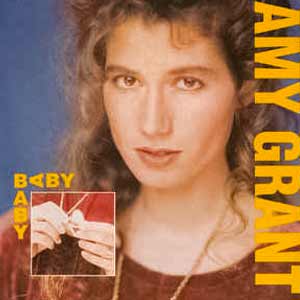
Released on January 18, 1991 as the lead single from Heart in Motion, Amy Grant’s “Baby, Baby” marked a bold leap from Christian music into full-blown pop stardom. Co-written with producer Keith Thomas, the song was inspired by Grant’s infant daughter Millie, though its lyrics were crafted to sound like a universal love song. With sparkling synths, a steady groove, and Grant’s warm vocals, it became a defining track of early-’90s pop.

Sound: polished pop with gospel roots
“Baby, Baby” blends dance-pop, adult contemporary, and pop rock into a radio-friendly package. The production is sleek but heartfelt—Grant’s delivery is expressive and joyful, backed by shimmering synths and a breezy rhythm. It’s a far cry from her gospel beginnings, yet still carries emotional sincerity.
Maternal spark, romantic tone
Though the song was written while Grant looked at her six-week-old daughter, the lyrics steer clear of lullaby territory. “Baby, baby / I’m taken with the notion / To love you with the sweetest of devotion” The result is a love song that feels personal yet universal—sweet but never saccharine.
Chart run: a crossover triumph
“Baby, Baby” became Grant’s biggest hit, topping the Billboard Hot 100 for two weeks in April 1991 and reaching No. 1 on the Adult Contemporary chart. It also hit No. 2 in the UK and Canada, No. 5 in Australia, and landed in the Top 10 across Europe. The single was certified Silver in the UK, Gold in Australia and New Zealand, and earned three Grammy nominations, including Song of the Year.
Music video: playful charm and MTV appeal
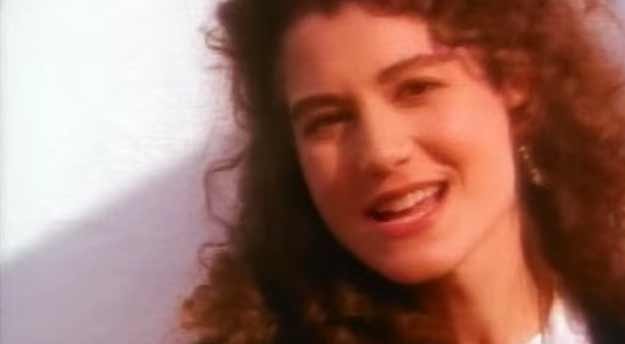
Directed by D.J. Webster, the video features Grant in a lighthearted romance with model Jme Stein. Stylish, fun, and wholesome, it helped reshape her image for a broader audience and became an MTV staple, earning a Best Female Video nomination at the 1991 VMAs.
Crossover pioneer and pop icon
“Baby, Baby” made Grant the first Christian pop artist to top the Hot 100 since Debby Boone in 1977. While some fans criticized her secular shift, the song opened doors for future faith-based artists and proved that spiritual roots and pop success weren’t mutually exclusive. It’s been referenced in American Psycho, Harold & Kumar, and 30 Rock, and covered by artists like The Swirling Eddies and Tori Kelly.
To celebrate the song’s milestone, Grant recorded an updated version featuring Tori Kelly, released on April 29, 2016. The remix paired Grant’s original vocals with Kelly’s powerhouse delivery, giving the track a modern twist while honoring its legacy. Grant called Kelly “one of the most effortless singers I’ve ever heard,” and praised her for “strapping a rocket engine onto the song”1.