
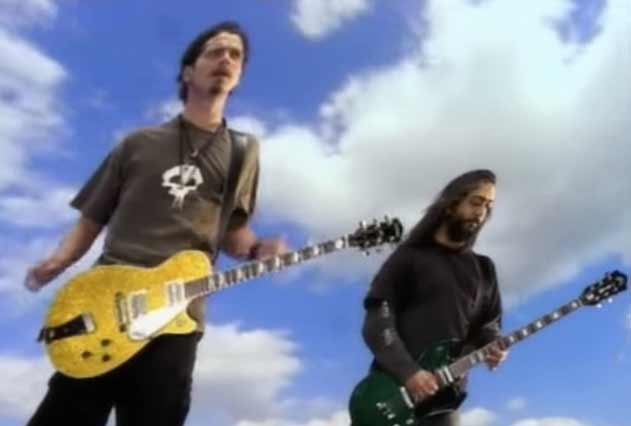
Chris Cornell wrote “Black Hole Sun” in 1993 while driving home from the studio; he later said the title came from mishearing a TV news anchor and that the melody arrived almost whole in his head. He recorded a demo on a Dictaphone and brought it to the band the next day—what started as a quick, almost accidental composition became the centerpiece of Superunknown. Written by Chris Cornell, the song was released as a single in May 1994.
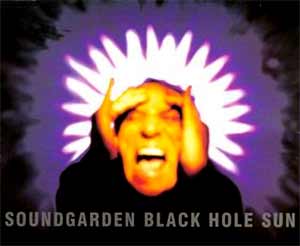
On paper it’s a mid‑tempo, psychedelic‑tinged rock song, but what makes it special is the contrast: lush, almost Beatlesque harmonies and a dreamy guitar tone set against lyrics that feel apocalyptic and surreal. The band used a Leslie speaker on the guitar to get that swirling, otherworldly texture, and Cornell’s vocal moves from warm croon to haunted wail—giving the track emotional depth that keeps pulling listeners back.
How it performed and where people heard it
“Black Hole Sun” became Soundgarden’s biggest mainstream hit. It spent seven weeks at No. 1 on Billboard’s Album Rock Tracks and finished 1994 as the top song on the Modern Rock chart, despite peaking at No. 2 on that listing. Internationally it reached the Top 10 in several countries and even hit No. 1 in Iceland. In the U.S. it crossed over to wide radio play and remains the band’s most recognizable single.

The video—surreal, unsettling, unforgettable
Directed by Howard Greenhalgh, the music video is a warped suburban nightmare: smiling faces stretched into grotesque grins, melting skies, and uncanny tableaux that feel like a fever dream. The clip’s visuals amplified the song’s eerie mood and won Best Metal/Hard Rock Video at the 1994 MTV Video Music Awards, cementing its place in 90s pop‑culture imagery.
Beyond charts and awards, “Black Hole Sun” endures because it’s both catchy and strange—an accessible melody wrapped in unsettling imagery and lyrics. It’s often called Soundgarden’s signature song and appears on their greatest‑hits collections; critics and fans still point to it as a moment when grunge could be melodic, psychedelic, and radio‑friendly all at once. Rolling Stone later included it on their list of the 500 Greatest Songs of All Time, underlining its long‑term impact.