
“Connected” arrived as the lead single from Stereo MC’s third album, Connected, which the group released in 1992 during a creative peak that blended hip‑hop, acid jazz and dance music. The album’s success turned a long‑running underground act into mainstream players in the UK and beyond, and the record later picked up major industry recognition.
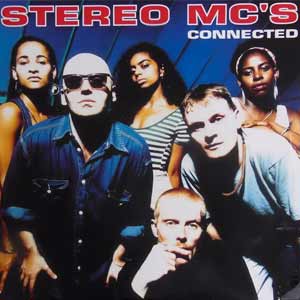
The single “Connected” was issued in September 1992 and was built around a looping groove and a catchy chant that became the song’s signature hook. The band used a bassline from Jimmy “Bo” Horne’s “Let Me (Let Me Be Your Lover)” as part of the bassline and rhythm bed, and the single was released in multiple formats across Europe and the US, including 12‑inch and CD maxi singles that paired the title track with B‑sides like “Disconnected” and “Fever”.
Sound, lyrics and what it means
Musically the track mixes hip‑hop funk, acid jazz and dance elements: a tight looped groove, clipped vocal hooks and a warm, organic production that still sounds immediate. Vocalist Rob Birch has explained that the lyrics are about the lack of real connection in modern life and the ways people separate themselves into categories—an idea that felt especially resonant in the early‑90s cultural moment and still reads well today.

Chart life and impact
“Connected” became Stereo MC’s most visible single: it peaked at No. 18 on the UK Singles Chart and reached the top 10 in several European countries, while also charting in the United States—helping the album Connected climb high on the UK album charts and win Best British Album and Best British Group at the 1994 BRIT Awards. In the United States, it reached No. 20 on the Billboard Hot 100 and was a massive hit on the Modern Rock Tracks chart, where it peaked at No. 5. The song’s video, directed by Matthew Amos, earned attention on music TV and even picked up an MTV Video Music Award nomination for Best Dance Video, which amplified the band’s international profile.
What keeps “Connected” in rotation is its combination of groove and message: it’s danceable without being disposable, and its chorus is one of those rare hooks that feels both celebratory and slightly uneasy—perfect for a song about human disconnection. The record also marked a moment when British alternative hip‑hop crossed into mainstream pop, and the album’s later awards and critical praise underline how much the single helped change the band’s fortunes.