
When “Auberge” arrived in 1991 as the title track of Chris Rea’s album, it felt like a natural extension of the world he’d been building through the late ’80s—warm, guitar‑driven, and full of that unmistakable Rea atmosphere. The song didn’t try to reinvent him; instead, it sharpened what he already did so well. It became one of his most recognisable singles, especially across Europe, where his blend of blues, rock, and storytelling had a loyal following.

The story behind the title
The word auberge simply means “inn” in French, but for Rea it carried a more personal meaning. The album and single were inspired in part by his love of driving and the sense of escape that comes with it. The cover famously features his blue Caterham 7 sports car (which Rea affectionately called the “Blue Seven”), which became a kind of visual shorthand for the whole project. The song taps into that feeling of leaving the noise behind and heading somewhere quieter, somewhere that feels like yours.
The album version of the track is a sprawling 7-minute epic that includes an atmospheric sound-effect intro of a garage door opening and a car starting, whereas the single was edited down to a radio-friendly 4:40.
The sound: blues warmth with a cinematic sweep
Musically, “Auberge” sits in that sweet spot where Rea is most comfortable. The track opens with a steady, blues‑inflected groove and gradually builds into a fuller, more expansive arrangement. His guitar tone is warm and slightly gritty, and the production leans into atmosphere rather than flash. There’s a sense of movement in the rhythm—almost like the hum of tyres on a long stretch of road—which gives the song its easy, rolling feel.

The lyrics and mood
Lyrically, “Auberge” is reflective without being heavy. Rea sings about stepping away from the pressures of everyday life and finding a place that offers calm and clarity. It’s not a grand philosophical statement; it’s more like a quiet exhale. The imagery is simple and grounded, and his delivery has that familiar, slightly husky warmth that makes the whole thing feel lived‑in. While his previous album, The Road to Hell, focused on the frustration of being “trapped” in traffic, Rea intended to be the thematic opposite—the road as a path to sanctuary and freedom.
Chart performance and reception
The single performed strongly across Europe, especially in the UK, where it reached the Top 20 and helped drive the album’s commercial success. Auberge became one of Rea’s most successful records, topping the UK Albums Chart and reinforcing his status as a reliable, distinctive voice in adult‑oriented rock. The song also became a staple of his live shows, where its steady build and guitar lines translated beautifully.
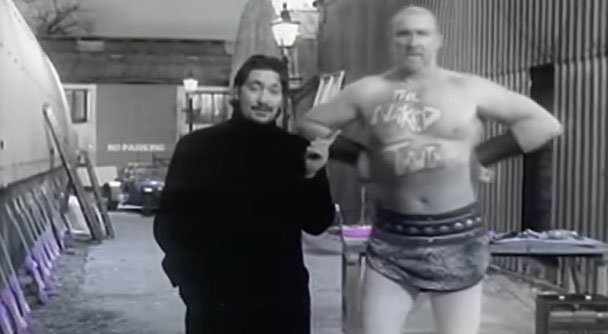
The music video was directed by Nigel Dick (who also directed iconic videos for Oasis and Guns N’ Roses). It was shot at Bray Studios and features the Caterham car, reinforcing the “escape” narrative.
“Auberge” endures because it captures something timeless: the desire to step away, breathe, and find a bit of space. It’s a song that doesn’t rush, doesn’t push, and doesn’t need to. Rea’s blend of blues guitar, warm production, and understated storytelling gives it a lasting charm. Even decades later, it still feels like the soundtrack to a long drive with no particular destination—just the road, the engine, and a little peace.