
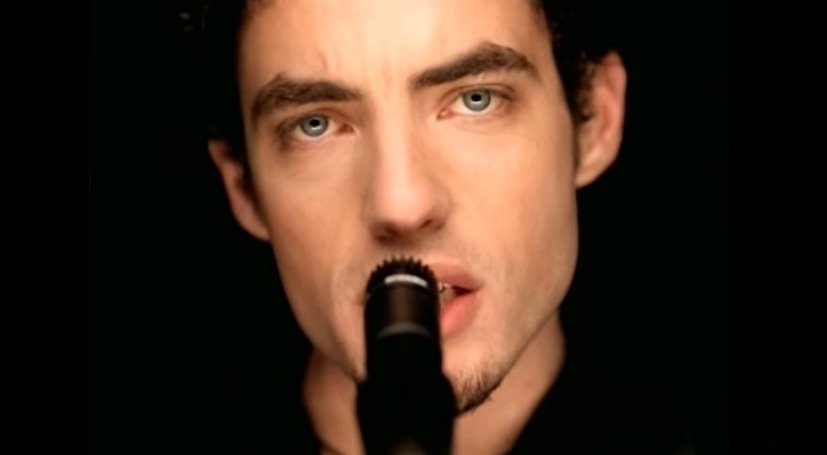
When “One Headlight” was released in 1997, The Wallflowers had already been around for several years, but mainstream success had been elusive. Fronted by Jakob Dylan, the band had earned respect for their songwriting and live shows, yet it was their second album, Bringing Down the Horse, that finally connected in a big way.
“One Headlight” became the album’s emotional centerpiece and the song that pushed The Wallflowers from cult status into the mainstream. It didn’t sound flashy or trend‑chasing—it sounded lived‑in, thoughtful, and quietly powerful, which is exactly why it stood out.

The sound: rootsy rock with a modern edge
Musically, “One Headlight” sits comfortably between classic American rock and ’90s alternative. There’s a steady, mid‑tempo groove, warm organ lines (Hammond B3, played by Rami Jaffee), and a guitar sound that feels more dusty highway than polished studio.
Producer T‑Bone Burnett played a huge role in shaping the album’s sound, and you can hear his influence here. Everything feels organic and grounded, with space for the song to breathe. Jakob Dylan’s vocal is restrained but expressive, delivering the lyrics with a calm confidence that lets the emotion sneak up on you rather than hit all at once.
The lyrics: reflection, loss, and moving forward anyway
“One Headlight” isn’t a straightforward story song. Instead, it works through images and feelings—looking back, taking stock, and trying to keep moving even when things feel uncertain.
The title itself suggests imperfection and perseverance: driving forward with less than ideal conditions, but driving forward all the same. Dylan has never pinned the song to a single meaning, and that openness is part of its strength. However, he has famously stated in interviews that the “only friend” who died in the first verse isn’t a person, but rather the “death of ideas” and the loss of a shared human code of respect. It captures a very specific late‑’90s mood—introspective, slightly weary, but not without hope.
Chart performance
The song became The Wallflowers’ biggest hit. In the United States, “One Headlight” reached No. 1 on the Billboard Modern Rock, Mainstream Rock, and Adult Alternative charts (the first song ever to top all three), and spent five weeks at No. on the Billboard Hot 100 Airplachart. It was ineligible for the actual Billboard Hot 100 under the rules of the time—despite being the most-played song in the country.
Internationally, it performed strongly as well, charting across Europe and helping Bringing Down the Horse become a multi‑platinum success. The album went on to sell millions of copies worldwide, firmly establishing the band as one of the era’s most important rock acts.
Awards and recognition
“One Headlight” earned major industry recognition. At the 1998 Grammy Awards, it won Best Rock Song and Best Rock Performance by a Duo or Group with Vocal. Those wins cemented the song’s status not just as a hit, but as a critical high point of late‑’90s rock songwriting.
“One Headlight” has lasted because it doesn’t feel tied to a specific trend. Its themes of reflection, resilience, and imperfect forward motion still land decades later. The song captures a moment in time without being trapped by it.
For many listeners, it remains the definitive Wallflowers track—and one of the most quietly enduring rock songs of the 1990s.