
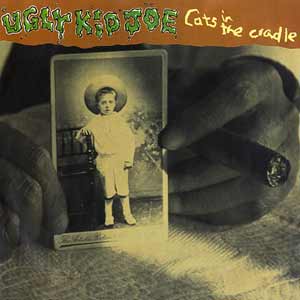
When Ugly Kid Joe released their version of “Cats in the Cradle” in 1992, they weren’t trying to reinvent the song. They simply connected with its message. Originally written by Harry Chapin and his wife Sandy Chapin, the 1974 folk ballad tells the story of a father who’s always too busy for his son—only to discover, too late, that his son has grown into the same kind of distant adult.
Ugly Kid Joe included their cover on their debut full‑length album, America’s Least Wanted, and released it as a single in 1993. What happened next surprised almost everyone, including the band.
Ugly Kid Joe were known for humor, sarcasm, and a scruffy hard‑rock sound—“Everything About You” had introduced them as the band who didn’t take anything too seriously. But “Cats in the Cradle” showed a different side.
Their arrangement stays close to Chapin’s original structure but adds a heavier, early‑’90s rock edge: chiming electric guitars, a fuller rhythm section, and Whitfield Crane’s gritty vocal delivery. Instead of trying to out‑sentimentalize the original, they leaned into the song’s emotional weight with a straightforward, earnest performance.
That sincerity is what made the cover land. It didn’t feel ironic. It felt like a band known for jokes suddenly revealing they understood something deeper.
Chart performance: a global breakthrough
“Cats in the Cradle” became the biggest commercial success of Ugly Kid Joe’s career. In the United States, the single climbed all the way to No. 6 on the Billboard Hot 100, giving the band their only Top 10 hit. Its momentum carried overseas as well, where it reached No. 3 in Australia and secured Top 10 positions across several European countries, including Norway and Sweden. The song also earned heavy radio rotation in the UK and Germany, helping it become one of the most widely recognized rock covers of the early ’90s.
The music video and MTV rotation
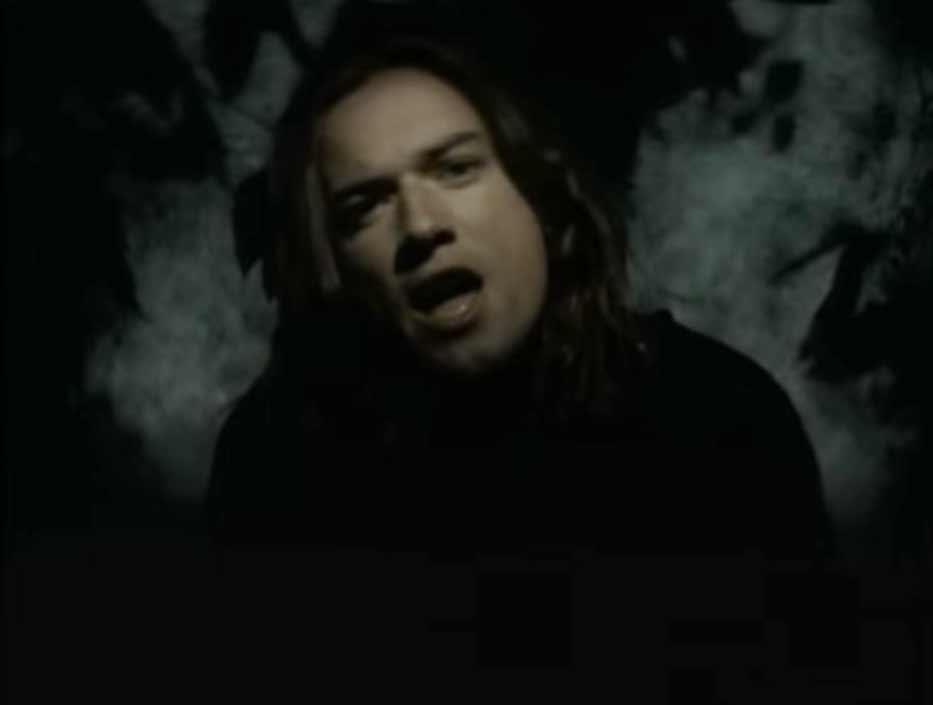
The music video mixes performance footage with scenes of a young boy growing up, echoing the song’s narrative without being overly literal. It became a staple on MTV and helped introduce the band to audiences who might never have heard their heavier material.
The clip’s tone—somber, reflective, and visually simple—matched the band’s more serious interpretation of the song.

Ugly Kid Joe’s “Cats in the Cradle” endures because it bridges two eras without losing the heart of the original. Chapin’s message about time, regret, and the cycles we repeat is universal, and the band’s rock‑leaning arrangement made it accessible to a new generation.
It also stands as a reminder that even bands known for humor and attitude can deliver something emotionally grounded when the right song comes along.