
“Foolish Games” was written and performed by Jewel Kilcher and first appeared on her debut album, Pieces of You. The song was initially issued as the B‑side to “You Were Meant for Me,” but radio stations began playing the B‑side instead, prompting the label to reissue the single and push “Foolish Games” to prominence; the single was commercially released in July 1997 and a shorter radio edit was prepared for soundtrack placement.

Musically the track is spare and direct: acoustic guitar, subtle strings and Jewel’s breathy, conversational vocal. The arrangement leaves space around the voice so the lyrics—about unreciprocated intensity and emotional exhaustion—land like a private diary entry. That intimacy is the song’s strength: it doesn’t try to swell into a stadium ballad, it stays close, which is why listeners often describe it as painfully honest rather than polished.
Chart life and impact
Because of the unusual way it rose—airplay flipping a B‑side into an A‑side—“Foolish Games” became part of a remarkable chart story. When paired with “You Were Meant for Me” on the Hot 100, the combined single helped produce a then‑record 65‑week chart run, and the double‑A‑side eventually returned to the Top 10, with “Foolish Games” credited as a major driver of that longevity; the song itself reached No. 2 on the Billboard Hot 100 and earned Jewel a Grammy nomination for Best Female Pop Vocal Performance.
Versions, production and soundtrack tie‑in
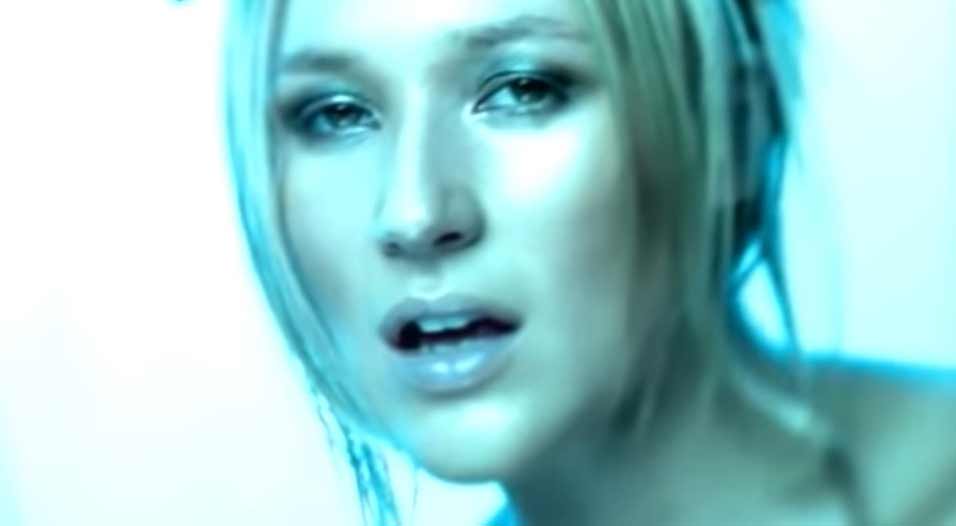
Jewel re‑recorded a radio‑friendly edit of “Foolish Games” for inclusion on the Batman & Robin soundtrack and for single release; different pressings and international singles include alternate mixes and B‑sides, and session credits list seasoned studio players and producers who helped shape the fuller radio arrangement used for airplay and soundtrack placement.
Why it still matters
“Foolish Games” endures because it marries a simple musical palette with emotionally precise songwriting. It’s a song that rewards close listening: the phrasing, the pauses, the way Jewel lets a line hang—those choices make the track feel lived‑in. Beyond its chart statistics, the song helped shift Jewel from folk‑leaning newcomer to mainstream artist and remains one of the defining singer‑songwriter moments of the 1990s.