
When U2 released “Hold Me, Thrill Me, Kiss Me, Kill Me” in 1995, the band was already deep into one of the most adventurous phases of its career. Far removed from the earnest rock anthems that had made them global stars in the 1980s, U2 embraced irony, excess, and experimentation throughout the 1990s. This standalone single captured that transformation perfectly, delivering a dramatic blend of rock, glam, and satire.
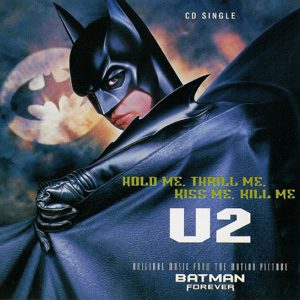
The song arrived as part of the soundtrack for Batman Forever, one of Hollywood’s biggest releases of the year. Yet despite its association with a blockbuster film, “Hold Me, Thrill Me, Kiss Me, Kill Me” felt unmistakably like a U2 song, packed with the band’s signature ambition and larger-than-life attitude.
A Perfect Match for Gotham
The dark and theatrical atmosphere of “Hold Me, Thrill Me, Kiss Me, Kill Me” made it an ideal fit for Batman Forever. The song combines pounding guitars, sweeping strings, and an almost cinematic sense of drama. Its lyrics explore fame, identity, and celebrity culture, themes that were becoming increasingly important to U2 during this period.
Rather than writing directly about Batman, the band created something that mirrored the film’s larger themes. The result was a track that could stand on its own while still complementing the movie’s colorful and exaggerated world.
Bono’s Fascination with Fame
One of the most interesting aspects of the song is its lyrical perspective. Throughout the 1990s, Bono frequently examined the nature of celebrity, often through fictional characters and exaggerated stage personas. “Hold Me, Thrill Me, Kiss Me, Kill Me” continues that exploration.
The title itself sounds like a demand for attention, affection, and destruction all at once. Lines throughout the song blur the line between admiration and obsession, suggesting that fame can be both exhilarating and damaging. It is a theme that remains surprisingly relevant decades later, especially in an era dominated by social media and constant public exposure.
The Sound of U2 Reinventing Itself
Musically, the track sits comfortably alongside the material from U2’s Achtung Baby and Zooropa eras. The Edge delivers sharp, distorted guitar work, while producer collaborations help create a dense and energetic soundscape. There is a glam-rock influence running through the song, but it is filtered through U2’s modern, stadium-sized approach.
The track is louder, darker, and more playful than much of the band’s earlier work. It showcases a group willing to take risks rather than repeat old formulas, a quality that helped keep U2 relevant throughout the decade.
A Standalone Hit
Unlike many soundtrack contributions that fade into obscurity, “Hold Me, Thrill Me, Kiss Me, Kill Me” became a major international hit. It reached the top ten in numerous countries and earned a Grammy nomination for Best Rock Performance by a Duo or Group with Vocal. While U2 provided the lead single for the soundtrack, they were famously eclipsed at the Grammys the following year by another track from the exact same movie: Seal’s “Kiss from a Rose,” which swept Record of the Year and Song of the Year.
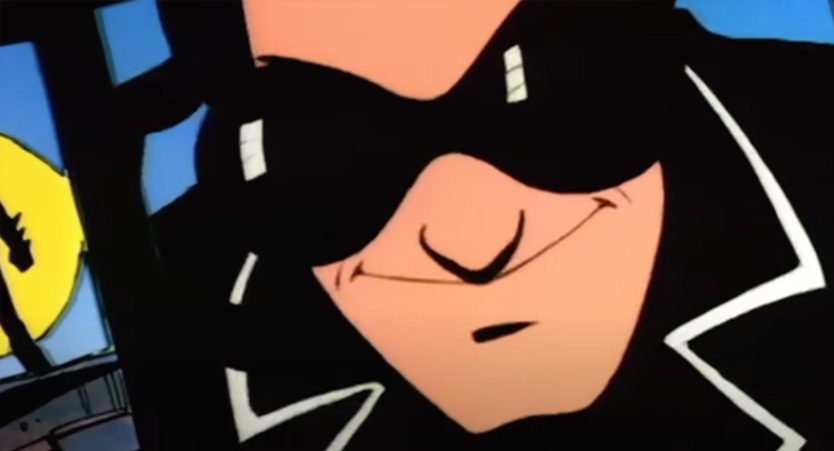
The track was heavily promoted via an animated music video (directed by Kevin Godley and Maurice Linnane) that perfectly bridged the gap between the film and the band. It featured animated versions of Bono battling his own alter-egos (The Fly and MacPhisto) through the streets of Gotham, cleverly exploring the “fascination with fame” you highlighted.
Interestingly, the song never appeared on a regular U2 studio album. That has given it a unique place in the band’s catalogue. For many fans, it remains one of the strongest non-album tracks the group has ever recorded.
Decades after its release, “Hold Me, Thrill Me, Kiss Me, Kill Me” still stands out as a snapshot of U2 at one of its most creative and unpredictable moments. It captures the band’s fascination with image and celebrity while delivering the kind of grand, unforgettable rock performance for which they became famous.
Whether discovered through Batman Forever or through U2’s extensive catalogue, the song remains a reminder that some soundtrack singles can become much more than promotional tie-ins. In this case, U2 produced a track that not only enhanced a movie but also earned a lasting place in the band’s history.