
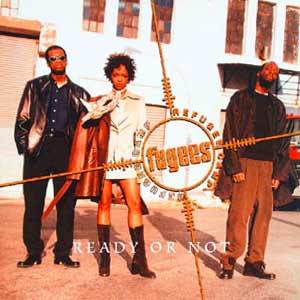
By the time “Ready or Not” was released in 1996, The Fugees were already on the verge of becoming one of the biggest names in music. Their album The Score had introduced a fresh blend of hip-hop, soul, reggae, and R&B, but this single took things to another level. Atmospheric, cinematic, and packed with unforgettable performances, it quickly became one of the group’s signature songs. While it was a massive global smash (spending two weeks at No. 1 in the UK), it actually did not chart highly on the main US Billboard Hot 100 (peaking at No. 69). This wasn’t due to a lack of popularity, but because it wasn’t released as a commercial physical single in the US
More Than a Rap Song
One of the reasons “Ready or Not” stands out is that it refuses to fit neatly into a single genre. While rooted in hip-hop, the song also draws on soul, reggae, and pop influences, creating a rich musical landscape that feels both sophisticated and accessible.
Lauryn Hill delivers a haunting chorus inspired by “Ready or Not Here I Come (Can’t Hide from Love)” by The Delfonics, while Wyclef Jean and Pras contribute verses that balance confidence, storytelling, and sharp lyricism. Together, the three members create a chemistry that few groups have ever matched.
The result is a song that appeals equally to rap fans and listeners who might not usually explore the genre.
A Production That Changed Expectations
The sound of “Ready or Not” was remarkably ambitious for its time. Built around a sample of Enya’s “Boadicea” and enriched with sweeping instrumentation, the track created a dark, cinematic atmosphere that was unusual in mainstream hip-hop.
Instead of relying on a heavy beat alone, the production unfolds gradually, allowing tension to build throughout the song. That approach gave “Ready or Not” a sense of scale that set it apart from many of its contemporaries.
Listening today, it’s easy to hear why the song became so influential. It proved that hip-hop could be both commercially successful and artistically adventurous.

A Video That Raised the Bar
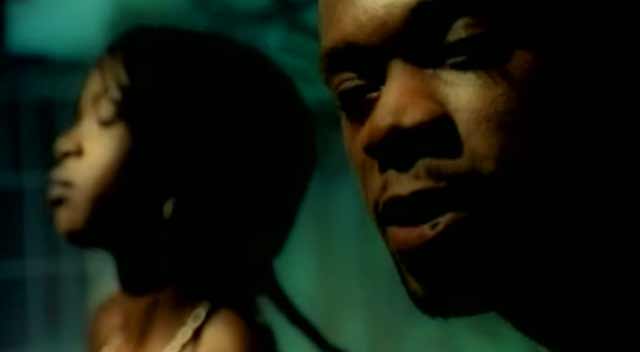
The accompanying music video was every bit as ambitious as the song itself. Directed by Marcus Nispel, it reportedly became one of the most expensive music videos ever produced at the time.
Rather than focusing solely on performance, the video follows the group through a series of dramatic locations and action-filled scenes, including underwater sequences, helicopter shots, and tropical landscapes. The cinematic style perfectly complements the song’s mysterious atmosphere, making the video almost feel like a short film.
Its scale reflected the growing importance of music videos during the 1990s and helped reinforce The Fugees’ reputation as artists willing to think beyond traditional hip-hop conventions.
A Lasting Cultural Impact
“Ready or Not” performed strongly on charts around the world and remains one of The Fugees’ best-known recordings. More importantly, it played a key role in establishing The Score as one of the defining albums of the decade.
The song has also enjoyed a long afterlife through samples, cover versions, and frequent appearances in films, television series, and video games. Its influence can still be heard in the work of artists who blend hip-hop with elements of soul, world music, and alternative sounds.
Few songs from the era have maintained such broad appeal across different generations of listeners.
Looking back, it’s easy to understand why “Ready or Not” has become a modern classic. It wasn’t simply another hit from the 1990s—it was a song that expanded the possibilities of mainstream hip-hop and helped shape the sound of a generation. Even today, it remains one of The Fugees’ finest achievements and a benchmark for artists looking to combine substance with style.