
Long before albums like Play made Moby a global superstar, there was “Go.” Released in 1991, the energetic instrumental became his first major hit and introduced a wider audience to an artist who would go on to become one of electronic music’s most influential figures. The song originally appeared in 1990 as a minimal techno B-side to Moby’s debut single, “Mobility”—and it did not initially feature the famous Twin Peaks sample. It was only after Moby remixed the track (creating the “Woodtick Mix” which added the Angelo Badalamenti strings) that it was re-released as a standalone A-side in 1991 and exploded in popularity.
Built around hypnotic beats and an unforgettable sample, “Go” arrived at a time when dance music was rapidly evolving. It blended elements of house, techno, and ambient music into a track that worked just as well in clubs as it did on the radio, helping Moby establish a sound that was both adventurous and accessible.
A Sample That Made History
One of the defining features of “Go” is its use of the haunting string melody from the theme music of the television series Twin Peaks, composed by Angelo Badalamenti. Rather than simply borrowing the melody, Moby built an entirely new dance track around it, transforming the atmospheric theme into something made for packed dance floors.
The contrast between the mysterious sample and the driving rhythm gave the song a distinctive character. It felt familiar and futuristic at the same time—a combination that helped it stand out from countless other electronic releases of the early 1990s.
The Song That Changed Everything
Before “Go,” Moby was still an emerging producer working in New York’s club scene. The single became his first international breakthrough, reaching the charts in several countries and attracting attention from both dance music fans and critics.
Its success opened doors that would shape the rest of his career. Although Moby would continue experimenting with different styles over the following decades, “Go” remains the song that first put his name on the map.
Looking back, it’s easy to see why the track became such an important milestone.

More Than Just a Club Anthem
Despite its dance-floor energy, “Go” has a surprisingly cinematic feel. The layered synthesizers and atmospheric textures create a sense of movement and anticipation that goes beyond a typical club track.
That balance between emotion and rhythm would become one of Moby’s trademarks. Rather than making electronic music that was purely functional, he often aimed to create songs that could be experienced both on the dance floor and through careful listening.
“Go” offered an early glimpse of that artistic approach.
A Video That Captured the Era
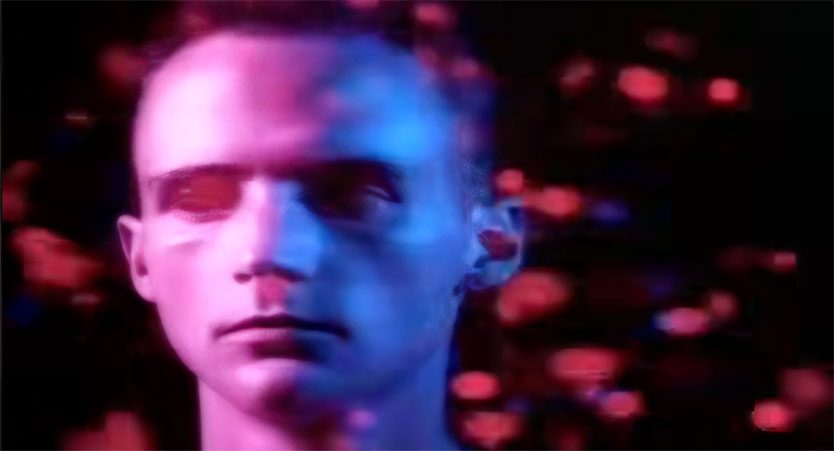
The music video, directed Slovak artist and filmmaker Ondrej Rudavský, reflects the underground dance culture of the early 1990s. Featuring fast-paced editing, club-inspired visuals, and Moby himself, it embraces the raw energy of the rave scene without relying on an elaborate storyline.
Like the song, the video feels driven by atmosphere rather than narrative, capturing the excitement of a musical movement that was beginning to reach a much wider audience.Moby has reflected that this iconic, surreal music video only cost $1,500 to produce! Today, it serves as an entertaining snapshot of electronic music’s early years before the genre became a global mainstream force.
Although Moby would go on to release many more commercially successful songs, “Go” has never lost its importance. It remains a favorite in DJ sets, retrospective playlists, and compilations celebrating the evolution of electronic music.
The track has also appeared in films, television programs, advertisements, and video games, introducing new generations of listeners to one of the defining dance records of the early 1990s.
For Moby, “Go” was the beginning of an extraordinary career. For electronic music, it was one of the tracks that helped prove dance music could be innovative, accessible, and artistically ambitious all at once.