
Before it became a global phenomenon, “Macarena” was simply a catchy Sevillian rumba written and performed by Los Del Río, the veteran duo of Antonio Romero Monge and Rafael Ruiz Perdigones. Released in 1993, the original version had all the hallmarks of their style — warm vocals, rhythmic guitar, and a danceable pulse rooted in Andalusian tradition. It was charming, lively, and unmistakably Spanish, but no one could have predicted what would happen next.
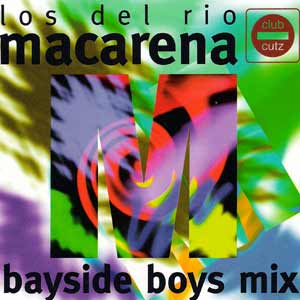
The original track was already infectious, but the song’s transformation came when producers Mike Triay and Carlos de Yarza (The Bayside Boys) reimagined it with a modern pop beat, creating the now‑famous Bayside Boys Mix. Suddenly, the rumba rhythm was fused with bright synths, a crisp dance groove, and English‑language interjections that made it accessible to listeners far beyond Spain. The result was a hybrid that felt both traditional and completely new — a perfect storm for the mid‑’90s global pop landscape.
Lyrics that blend flirtation, humor, and irresistible repetition
At its core, “Macarena” is playful. The lyrics tell the story of a woman named Macarena, delivered with a wink and a sense of fun that matches the rhythm. The chorus is pure repetition — simple, catchy, and impossible to forget. It’s the kind of hook that embeds itself in your brain after a single listen, which is exactly why it traveled so easily across languages and cultures.
Los Del Río’s vocals are relaxed, melodic, and full of character. They don’t push or over‑sing; they glide over the rhythm with the ease of performers who’ve been doing this for decades. Their delivery gives the song its charm — a sense of authenticity that grounds the more modern remixes.

A video — and a dance — that became a global ritual
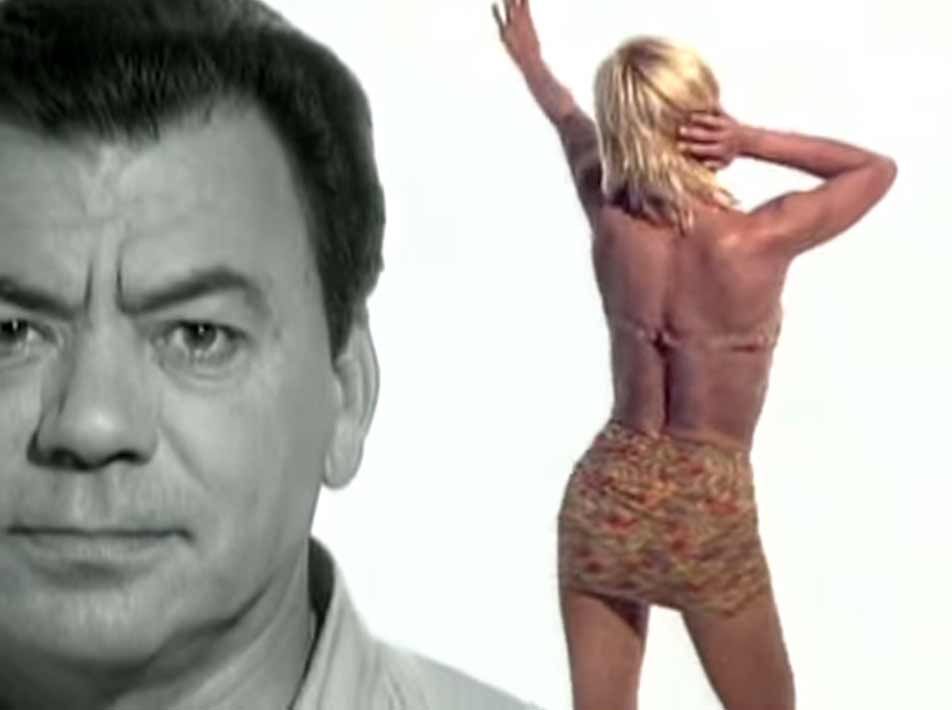
The music video for the Bayside Boys remix pushed “Macarena” from hit status into full‑blown cultural takeover. Directed by Vincent Calvet, it stars Mia Frye, who not only appears on screen but also created the choreography that became instantly recognizable around the world. The clip is deliberately simple: Los del Río stand in suits against a stark white background while ten women — dressed far more playfully — sing, dance, and demonstrate the moves that would soon be performed everywhere from school gyms to stadiums.
When the remix video was filmed, Frye crafted a greatly simplified version of the Macarena dance. A more complex routine already existed in clubs, especially in Mexico, and both Frye and Calvet studied footage of those crowds before distilling the steps into something anyone could learn in seconds. That decision — to make the dance accessible, repeatable, and communal — is what transformed “Macarena” from a regional favorite into a global ritual.
A chart run that rewrote the rules
“Macarena” didn’t just chart well — it became one of the biggest global hits of the decade. The Bayside Boys Mix spent 14 weeks at No. 1 on the Billboard Hot 100, one of the longest runs in chart history. It topped charts across Europe, Latin America, and beyond, turning Los Del Río into international stars more than thirty years into their career. Few songs have ever achieved that level of saturation.
“Macarena” endures because it’s pure joy. It’s catchy without being complicated, playful without being disposable, and rooted in a cultural tradition that gives it depth beneath the pop gloss. It’s the rare song that brings people together instantly — a track that doesn’t care about language, age, or genre. Los Del Río created something timeless by keeping things simple and sincere.