
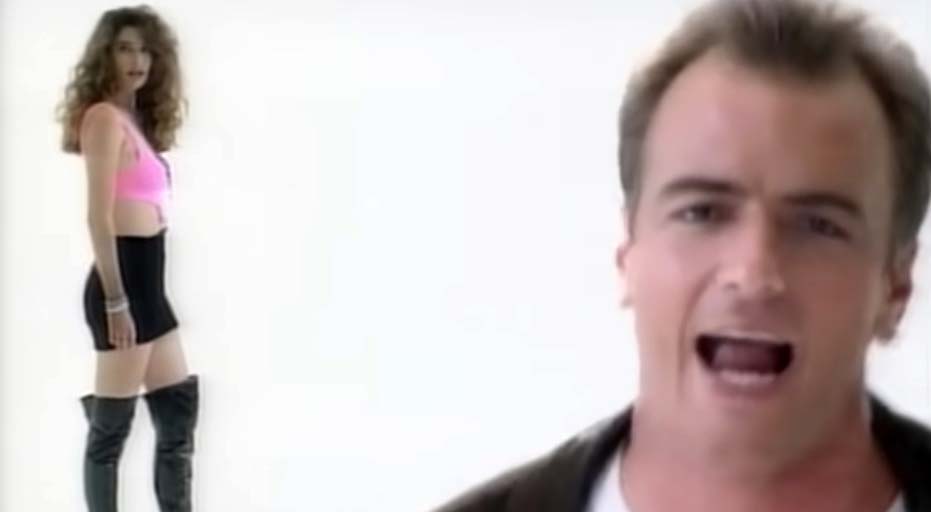
When “King of Wishful Thinking” came out in April ∂1990, Go West were already known for polished pop‑soul singles, but this track pushed them into a much bigger spotlight. Its inclusion on the Pretty Woman soundtrack gave it instant visibility, and the song quickly became one of those early‑’90s radio staples that seemed to be everywhere without ever feeling overplayed.

Go West—Peter Cox and Richard Drummie—had built their reputation on clean production, strong melodies, and Cox’s unmistakable voice. By 1990, they were leaning into a more contemporary, American‑leaning pop sound. “King of Wishful Thinking” fit that shift perfectly: upbeat, polished, and emotionally light on its feet even though the lyrics deal with heartbreak.
The sound: bright, rhythmic, and unmistakably early ’90s
While Go West is a duo, the song was a three-way collaboration between Peter Cox, Richard Drummie, and Martin Page (who also wrote “We Built This City”). Page’s influence helped give the song that “stadium-pop” structure.The track is built on a crisp, percussive groove, bright synth textures, and a melody that feels instantly familiar. Cox’s vocal is smooth but carries just enough grit to keep the song grounded. The production—handled by Peter Wolf (the Austrian producer/composer, not the J. Geils Band singer)—leans into that glossy, radio‑friendly sound that defined the era, but it never tips into excess. Everything is tight, rhythmic, and designed to move.
The lyrics and tone
Lyrically, the song is a clever twist on the breakup narrative. Instead of wallowing, the narrator insists he’s fine—absolutely fine—while clearly not being fine at all. That mix of denial and optimism gives the song its charm. It’s upbeat without being shallow, and the delivery has a wink to it, as if the band knows exactly how much the narrator is fooling himself.

Chart performance and reception
“King of Wishful Thinking” became one of Go West’s biggest hits. In the United States, it reached No. 8 on the Billboard Hot 100, giving the duo a major breakthrough in a market that had only known them modestly before. It also performed remarkably well on the Adult Contemporary chart (No. 7), which explains its long afterlife on radio. In the UK, it charted respectably and helped keep the band visible through the early ’90s. The song’s association with Pretty Woman also gave it a long afterlife on radio, compilations, and film nostalgia.
The song has aged well because it strikes a balance between polish and personality. It’s catchy without being disposable, and its emotional tone—half bravado, half vulnerability—feels relatable. The production is unmistakably of its time, but in a way that’s warm rather than dated. It’s one of those tracks that slips easily into playlists, whether you’re leaning into nostalgia or just want something bright and melodic.