
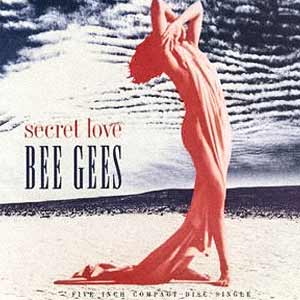
The Bee Gees wrote and produced “Secret Love”—Barry, Robin and Maurice Gibb are credited as writers and producers—and released it as the lead single from their nineteenth studio album, High Civilization, on 18 February 1991. The song deliberately nods to classic Motown girl‑group energy, a sound the Gibbs had explored before when they wrote “Chain Reaction” for Diana Ross.
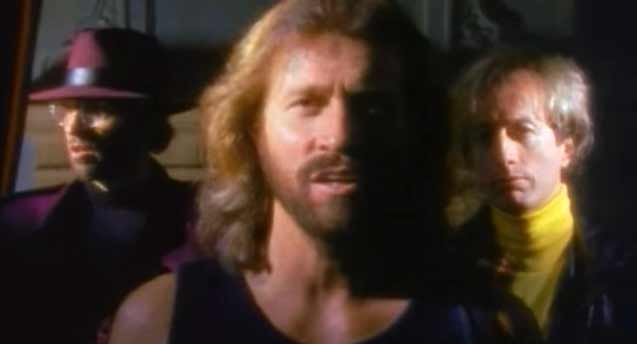
If you press play, you’ll hear a bright, up‑tempo pop groove with tight harmonies and a bounce that feels lifted from the 60s Motown playbook—think Supremes‑style phrasing but filtered through the Bee Gees’ trademark vocal blend. That retro‑pop approach gave the track immediate radio appeal across Europe, where listeners were already comfortable with the group’s knack for marrying classic songwriting with contemporary production.
How it did on the charts
The single performed best in Europe: it reached No. 2 in Germany and Austria, climbed to No. 3 on the Eurochart Hot 100, and hit No. 5 in the UK—strong showings that made it one of the Bee Gees’ more successful early‑90s singles. Notably, the record was not released as a single in the United States, which limited its exposure there despite the band’s global name recognition.
Motown vibe
The Gibbs had already proven they could write convincing Motown‑style pop for other artists, and “Secret Love” is essentially them doing it for themselves. The result is catchy without being gimmicky: the melody is immediate, the production is polished, and the harmonies give the song emotional lift without turning it into a ballad. For fans who like the Bee Gees’ pop craftsmanship, it’s a neat example of their ability to wear different eras of pop comfortably.
High Civilization didn’t re‑write the Bee Gees’ legacy, but “Secret Love” stands out as a late‑career single that reminded listeners the brothers could still craft radio‑friendly, hook‑driven songs. It’s not their most famous track, but in Europe it became a reliable crowd‑pleaser and a highlight of their early‑90s set lists.